
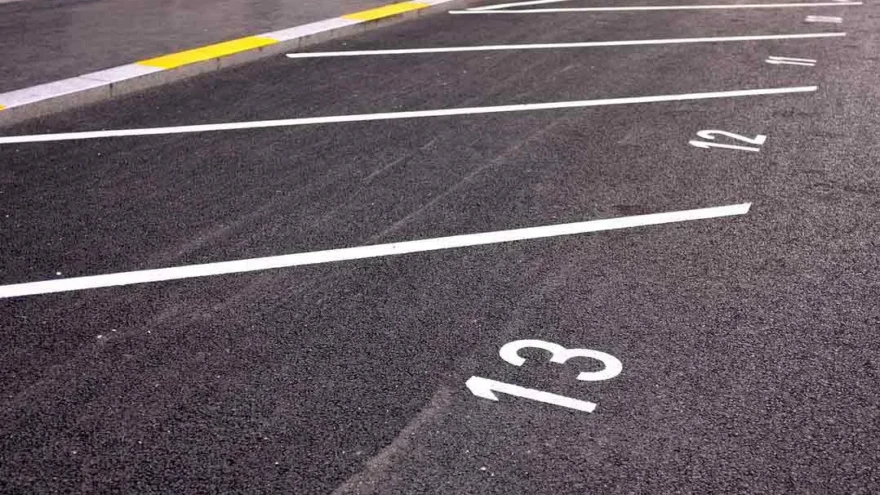
Choosing a parking lot paving contractor is not like buying office supplies. If the job is done well, your lot stays smooth, drains properly, and looks professional for years. If it is done poorly, you get puddles, cracking, potholes, and constant patch bills that never seem to end. You also risk customer complaints and safety issues near entrances and walkways.
The tricky part is this: many paving quotes can look similar on the surface, even when the scope and quality are very different.
This guide gives you a simple way to compare parking lot paving contractors, ask the right questions, and avoid the most common mistakes business owners make.
Step 1: Know what you need (before you call anyone)
A contractor can only price what you ask for. If you are unsure whether you need repairs, resurfacing, or full replacement, start with a quick site check.
Walk the lot and write down:
- Where does water sit after rain?
- Are cracks isolated, or spread like a web?
- Do potholes keep returning in the same spots?
- Are edges crumbling or breaking away at curbs?
- Are there soft spots that feel “spongy” under vehicle weight?
- Which areas get heavy loads (dumpster pad, delivery route, entrance lanes)?
Take a few phone photos and mark the worst areas. This helps you explain the issue clearly and it reduces vague quoting.
Simple rule:
- If the base is stable and problems are mostly at the surface level, you may not need full replacement.
- If the lot is sinking, rutting, or failing repeatedly in the same zones, the base or drainage likely needs deeper work.
Step 2: Shortlist contractors the smart way
Not every paving company is a good fit for commercial work. Parking lots need proper grading, drainage planning, traffic flow, and phasing so your business can stay open.
When building your shortlist, look for:
Commercial experience
Ask if they regularly do office, retail, medical, HOA, or industrial lots. Commercial lots are a different game than a small residential driveway.
Local knowledge
Weather and soil conditions matter. Contractors who work locally tend to understand freeze and thaw issues, coastal moisture, and common drainage problems in the area.
Clear service scope
A good parking lot paving contractor should be comfortable handling:
- excavation and base prep (when needed)
- grading and drainage corrections
- asphalt paving
- patching and repairs
- sealcoating (when appropriate)
- striping and traffic markings
- ADA parking layout awareness (at least coordination, even if striping is subcontracted)
Step 3: Compare proposals line by line (not just the total price)
A low price can be a bargain, or it can be missing critical steps. Ask every contractor to provide a written scope that includes these details.
1) What is being removed?
- Are they removing existing asphalt?
- Are they removing soft base material?
- How is disposal handled?
2) Base and subbase details
This is where long lasting lots are made.
- How deep will they excavate?
- What base material will they install?
- How will it be compacted?
- Will heavy load areas get thicker base or reinforcement?
If a proposal is vague about the base, treat it as a red flag. Surface asphalt alone does not fix base failure.
3) Asphalt thickness and mix
Ask:
- What is the proposed asphalt thickness (in inches)?
- Is it one lift or multiple lifts?
- Are they using a different thickness for drive lanes vs parking stalls?
Heavy traffic zones should not be treated the same as light parking rows.
4) Drainage plan
Drainage is often the difference between a lot that lasts and a lot that fails early.
Ask them to explain:
- Where will water flow after work?
- How are low spots corrected?
- How will transitions to sidewalks, entrances, and catch basins be handled?
5) Traffic control and business access
If your business needs to stay open, phasing matters.
A good plan includes:
- which areas are done first
- how vehicles will enter and exit
- how long each phase takes to cure
- how they will keep walkways safe
6) Striping, signage, and final details
Make sure the quote states:
- whether striping is included
- how many stalls and what type of paint
- handicap stalls and access aisles
- wheel stops or bollards (if needed)
Step 4: Ask these questions before you hire
Use this as your interview script. Good contractors answer clearly and confidently.
- What do you think is the root cause of the worst areas, surface wear or base failure?
- What will you do to correct drainage and prevent recurring puddles?
- How will you handle heavy load zones like dumpsters and delivery routes?
- What compaction equipment do you use, and how do you verify compaction?
- Who is responsible for permits or approvals if needed?
- What is your plan to keep my business accessible and safe during the job?
- Do you use subcontractors for any part of the project (stripping, drainage, concrete)?
- What warranty do you provide, and what does it cover?
Tip: Ask the same questions to every contractor. It makes comparing easier.
Step 5: Verify the basics (this protects you)
Before you sign anything, confirm:
Insurance
Ask for proof of:
- general liability insurance
- workers compensation
This is not awkward. It is standard business protection.
References
Ask for 2 to 3 recent commercial jobs, ideally like your property type. Then ask for the reference:
- Did the contractor stick to schedule?
- Was the site kept clean and safe?
- Did drainage improve?
- How did the lot look after the first winter?
Equipment and crew
A serious commercial paving contractor usually has the right equipment and an established crew. If everything feels vague, or they are “finding a crew,” be careful.
Step 6: Watch for these red flags
If you see any of the below, slow down.
- They can start tomorrow with no site visit.
- The quote is one line with no thickness, no base details, no drainage plan.
- They push sealcoating as the solution for widespread alligator cracking or sinking.
- They avoid answering questions about compaction or base prep.
- They pressure you with “today only” pricing.
- They cannot provide insurance documentation quickly.
A good contractor does not rush you. They educate you because it reduces problems later.
Step 7: Get a simple quality control plan in writing
Even a great contractor should have clear acceptance points. Ask them to define:
- final grading and water flow expectations
- smoothness and transitions at entrances
- how edges will be protected
- cleanup standards
- curing time before traffic
- when striping happens
If you manage a retail site, also ask about noise and dust control timing, especially early mornings.
Step 8: Plan for maintenance from day one
A lot lasts longer when maintenance starts early. Your contractor should be able to recommend a realistic plan based on traffic:
- crack sealing timing
- when to consider sealcoating (if appropriate)
- how to monitor drainage issues
- how to protect heavy load zones
This is where many businesses save money. Small preventive work beats emergency pothole calls.
A quick scoring sheet to pick the right contractor
When you have 2 to 4 quotes, score each contractor from 1 to 5:
- Clear scope and specs (base, thickness, drainage)
- Commercial experience and references
- Access and safety plan during work
- Warranty clarity
- Professional communication
- Realistic timeline
The winner is usually not the cheapest. It is the contractor who clearly shows they understand how to build a lot that lasts.
Final thought
The right parking lot paving contractor will do more than lay asphalt. They will help you solve water flow problems, strengthen high stress zones, keep your business accessible, and leave you with a lot that looks professional and stays that way.
If you want a local example of a Long Island paving company that lists commercial parking lot paving among its services, you can see one here.