
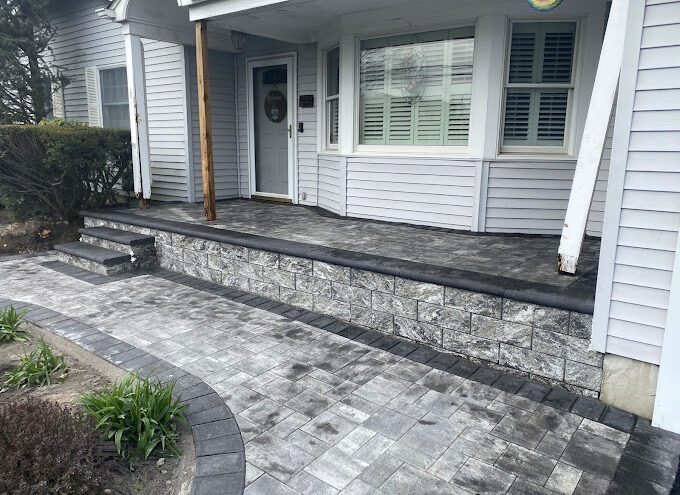
If you own a home on Long Island, you already know the weather does not play nice with outdoor construction. One season you are enjoying a clean front stoop and a tight walkway, then winter shows up and you start noticing hairline cracks, loose bricks, or a step that suddenly feels a little uneven. That is why choosing the right Long Island masonry company matters. Great masonry is not only about how it looks on install day. It is about how it holds up after freeze, thaw, salt, heavy rain, and years of foot traffic.
As a paving and masonry contractor focused on Nassau and Suffolk County homes, I can tell you this: most masonry problems are not caused by the brick or stone itself. They are caused by water management, base preparation, and shortcuts that do not show up until later.
What a quality Long Island masonry company actually does
A professional masonry crew is not just laying bricks and calling it a day. They are building a system that resists movement and sheds water.
Here is what that looks like in real life:
- Proper base work for patios, walkways, and steps
If you are installing a paver walkway, a stone patio, or a stoop rebuild, the base is everything. Long Island soil can vary from sandy areas to heavier, moisture holding sections, and if the base is too thin or not compacted in layers, settling is only a matter of time. A reputable masonry company excavates to the right depth, uses the correct stone base, compacts in lifts, and locks edges so the field does not creep.
- Correct pitch and drainage planning
Water should never sit against your steps, near your foundation, or in low spots on a patio. Good masons check slope, guide runoff away from the house, and address downspouts that dump water where it does not belong. This is one of the biggest differences between a job that lasts five years and one that lasts twenty.
- Mortar that matches the structure, not just the color
If your project involves brickwork or repointing, the mortar mix matters. Too many repairs fail because someone uses a mortar that is too hard for the existing brick. That can lead to brick damage, spalling, and moisture issues. A solid Long Island masonry company will match the mortar strength and joint style to what your home actually needs.
- Clean, durable details that protect the build
Look at capstones, coping, step treads, and chimney crowns. These details are not “extras.” They are your water defense system. Proper overhangs, drip edges, and tight joints help prevent water from soaking into the structure, especially during freeze and thaw cycles.
Common masonry projects Long Island homeowners invest in
Most calls we get in Nassau and Suffolk fall into a few categories:
- Front steps and stoops: Rebuilds, overlays, resets, bluestone treads, brick risers, and safer landings with clean edges.
- Walkways and entry paths: Pavers, concrete, brick, and natural stone with proper pitch so puddles do not form.
- Patios and outdoor living spaces: Cambridge style pavers, natural stone patios, seating walls, and fire feature bases with stable foundations.
- Retaining and garden walls: Structural blocks or stone walls built with drainage behind the wall, so pressure does not push it forward.
- Chimney and brick repair: Repointing, crown repairs, flashing related work, and replacing damaged bricks before water becomes a bigger issue.
- Pool coping and hardscape borders: Clean transitions, stable edges, and materials that handle water exposure.
How to tell if you are getting a real contractor or a quick installer
When you request an estimate from a Long Island masonry company, you should get clear answers, not vague promises. The best contractors can explain their process in plain English.
Here are the questions that separate pros from pretenders:
- How deep are you excavating and what is your base thickness?
If the answer is “we put down some gravel,” that is not enough.
- How are you handling drainage and pitch?
Ask where water will go after the job is done.
- What materials are you using and why?
A trustworthy mason can explain why they recommend bluestone for treads, why a specific paver holds color, or why a certain wall system fits your yard.
- Are you using edge restraints and proper joint sand for pavers?
Edges keep the system locked. Joint sand helps stability and reduces washout.
- Do you include a written scope?
A real company puts the details on paper: demo, base, materials, thickness, drainage notes, and cleanup.
A simple sign of quality: the job still looks even after the first winter
If you want masonry that lasts on Long Island, do not shop on price alone. Shop on process. The best value is the contractor who does it correctly the first time, because tearing out and redoing a sunken walkway or cracked stoop costs far more than doing proper base work up front.
If you are comparing estimates in Nassau or Suffolk, look for the company that talks most confidently about excavation depth, compaction, drainage, and materials. Those are the details that protect your investment and keep your home looking sharp year after year.
If you want, paste the scope from one estimate you received and I will tell you what is missing, what is good, and what you should ask them to clarify before you sign.