
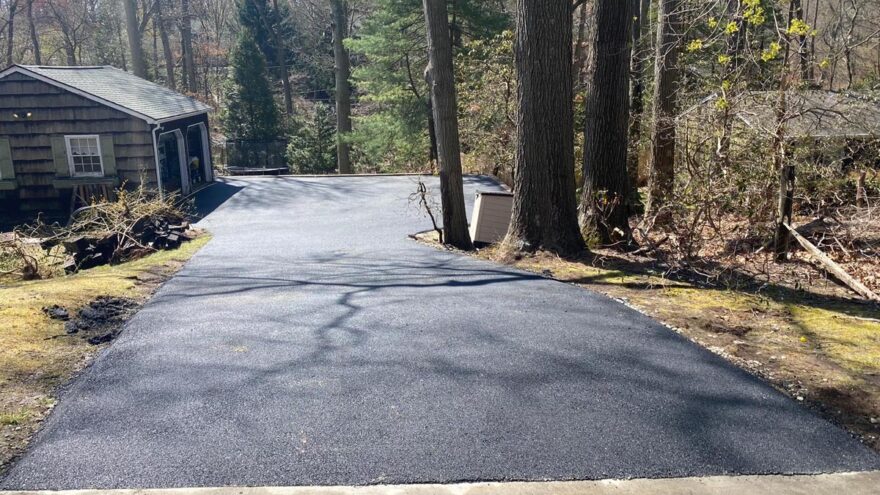
Most people drive over both private and public roads every day without noticing much difference. But for property owners, developers, and HOAs, the difference matters a lot. Private roads and public roads are built, funded, and maintained in different ways, and each requires its own approach.
As private road paving contractors often say, “A good road serves its purpose, but a great road is built for the people who depend on it.” Understanding the differences can help you choose the right materials, design, and maintenance plan for long lasting results.
Let’s explore what sets these two types of roads apart.
- Ownership and Responsibility Are Completely Different
The biggest difference between private and public roads is who owns them and who is responsible for their upkeep.
Private Roads
Owned by individuals, HOAs, private communities, or businesses.
These owners must:
- Pay for installation
- Handle repairs
- Schedule resurfacing
- Decide materials and design
- Hire private road paving contractors
Public Roads
Owned by the city, county, or state.
They are funded by tax dollars and maintained by government agencies.
Private roads provide more control but also more responsibility.
- Paving Standards and Regulations Are Not the Same
Public roads must follow strict state and federal guidelines for:
- Pavement thickness
- Drainage systems
- Traffic loads
- Safety markings
- ADA compliance
Private roads have more flexibility, although many still follow recommended standards for safety and durability.
Private road paving contractors can customize:
- Thickness based on expected traffic
- Drainage methods
- Material type
- Road width
- Aesthetic choices
This flexibility lets property owners create roads that match their unique needs.
- Traffic Volume and Weight Influence Material Choices
Public roads carry thousands of vehicles daily, including buses, delivery trucks, and emergency vehicles. Because of this, they require heavy duty construction and thicker asphalt or concrete.
Private roads usually experience:
- Lower traffic
- Fewer heavy vehicles
- Slower speeds
- More controlled use
This allows for more cost effective paving designs without compromising durability.
For private communities, HOAs, and long driveways, asphalt is often the preferred choice because it offers strength, flexibility, and easy repairs.
- Maintenance Expectations Are Completely Different
Public roads follow government maintenance schedules. Work is done based on budgeting, city planning, or emergency needs.
Private road owners must plan their own maintenance, which may include:
- Pothole repairs
- Sealcoating
- Resurfacing
- Drainage improvements
- Snow and ice treatment
The good news is that private road paving contractors can help create cost effective maintenance plans that extend the road’s life.
- Drainage Systems Often Differ Between Private and Public Roads
Public roads require engineered drainage systems designed to handle heavy rainfall and runoff.
Private roads can be more flexible but still need proper drainage to avoid:
- Water pooling
- Erosion
- Pavement cracking
- Surface damage
Many private road projects include swales, culverts, gravel shoulders, or crown shaping to keep water flowing away from the pavement.
Good drainage is essential no matter who owns the road.
- Aesthetics Matter More on Private Roads
Public roads prioritize durability and capacity. Appearance is usually a secondary concern.
Private road owners often care more about:
- Curb appeal
- Smooth finishes
- Custom borders
- Environment blending
- Quiet ride quality
Private road paving contractors can design roads that match surrounding landscapes, upscale communities, estates, and long private driveways.
A well designed private road can significantly increase property value.
- Cost Structure and Funding Sources Are Completely Different
Public road projects are funded through:
- Taxes
- Grants
- Government budgets
Private roads are funded by:
- HOAs
- Property owners
- Shared community assessments
- Businesses
This difference impacts material choices, scheduling, and long term maintenance planning.
Final Thoughts
Private road paving and public road paving serve different purposes and follow different standards. Private road paving contractors focus on customization, cost efficiency, and long term value for owners, while public roads focus on capacity and compliance.
The best choice depends on how the road will be used, who will maintain it, and what long term goals the property owner has.
As contractors often say, “A well built private road does not just connect places. It connects people and the life they build there.”