
TL;DR
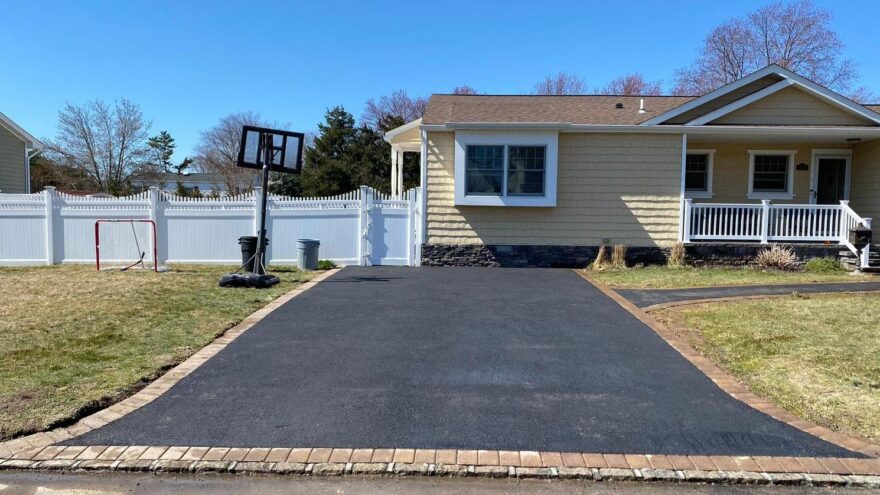
Hiring the right Long Island paving contractors can save you money, prevent drainage issues, and help your driveway, patio, walkway, private road, or parking lot last longer. The lowest quote is not always the best choice. A strong paving company should inspect the property, explain base preparation, plan water runoff, recommend the right material, provide a written scope, and answer your questions clearly.
Whether you need asphalt paving, concrete paving, interlocking pavers, driveway repair, parking lot paving, or masonry work, choose a contractor with local Long Island experience, proof of insurance, clear communication, and a realistic plan for your property.
For a local service reference, Armorproof Paving & Masonry provides paving and masonry services across Long Island, including asphalt driveways, concrete paving, driveway aprons, commercial parking lots, patios, walkways, masonry drainage, and related hardscape work. You can review their main service information here: Long Island Paving Contractors.
Why the right paving contractor matters?
Paving looks simple when the job is finished. You see a smooth driveway, clean patio, fresh parking lot, or neat walkway. But the real work happens underneath the surface.
A long lasting paving project depends on:
- Proper excavation
- Strong base preparation
- Correct compaction
- Smart grading
- Drainage planning
- The right material for the job
- Quality finishing
- Ongoing maintenance
If these steps are rushed, problems can show up quickly. You may notice puddles, cracks, sinking areas, loose edges, potholes, uneven pavers, or surface wear after one or two seasons.
Long Island weather makes this even more important. Paved surfaces here deal with summer heat, coastal moisture, heavy rain, winter freeze and thaw cycles, snow removal, and de icing salt. A contractor who understands local conditions can make better decisions about slope, base depth, drainage, and materials.
As one practical rule says:
“A good paving job is not only about how it looks today. It is about how it performs after the first winter.”
That is why property owners should compare paving contractors by process, not just price.
What services do Long Island paving contractors usually offer?
A full service paving company may handle both residential and commercial work. Depending on the contractor, services can include:
- Asphalt driveway installation
- Driveway resurfacing and replacement
- Concrete paving
- Interlocking stone pavers
- Patio and walkway installation
- Commercial parking lot paving
- Private road paving
- Driveway aprons
- Belgian blocks and edging
- Masonry drainage
- Retaining walls
- Stoops and steps
- Site excavation
- Parking lot repair and maintenance
Armorproof’s website lists many of these services, including driveway paving, concrete paving and repairs, commercial parking lot paving, and private road paving.
The benefit of working with a contractor that understands both paving and masonry is simple: many outdoor projects overlap. A driveway may need drainage work. A patio may need steps. A parking lot may need curbs or concrete transitions. A walkway may need masonry repair before the new surface is installed.
Residential vs commercial paving: what changes?
Not every paving project has the same requirements.
Residential paving
Homeowners usually care about curb appeal, drainage, durability, and budget. Common residential projects include driveways, patios, walkways, stoops, steps, and hardscape upgrades.
For a home driveway, the contractor should look at:
- How water flows away from the house
- Whether the driveway connects cleanly to the garage
- Whether the apron meets the street correctly
- If the base is strong enough for daily vehicle use
- If edging or Belgian blocks are needed
- Whether asphalt, concrete, or pavers make the most sense
Commercial paving
Commercial properties need stronger planning because they handle more traffic. Parking lots, private roads, loading areas, and business entrances must be safe, functional, and easy to navigate.
For commercial paving, the contractor should consider:
- Traffic flow
- Delivery trucks
- Dumpster pads
- Drainage and catch basins
- ADA accessible parking layout
- Striping and signage
- Phased work to keep the business open
- Long term maintenance planning
The ADA notes that accessible parking spaces should be located on the shortest accessible route to the accessible entrance. If your project includes parking lot paving or restriping, accessibility should be part of the planning from the beginning. You can review guidance at ADA.gov.
Asphalt, concrete, or pavers: which material is right?
A good contractor should not push one material for every project. The right choice depends on the property, budget, use, and style.
Asphalt paving
Asphalt is popular for driveways, private roads, and parking lots because it is practical, smooth, and cost effective. According to Angi’s 2026 cost data, a new asphalt driveway commonly costs around $7 to $13 per square foot, depending on grading, labor, location, and site conditions. You can see the reference here: Angi asphalt driveway cost guide.
Asphalt may be a good fit if you want:
- A clean black finish
- A practical cost for larger areas
- Faster installation than some decorative surfaces
- A smooth surface for vehicles
- Repair and resurfacing options later
Concrete paving
Concrete works well for driveways, walkways, garage slabs, patios, and certain commercial areas. It can provide a clean, durable finish and can also be decorative when stamped or finished properly.
Concrete may be a good fit if you want:
- A solid, long lasting surface
- A lighter color than asphalt
- Decorative options like stamped concrete
- A clean look for walkways, patios, or slabs
Interlocking pavers
Pavers are popular for patios, walkways, high end driveways, and outdoor living spaces. They offer design flexibility and can be repaired section by section if an area settles.
Pavers may be a good fit if you want:
- Strong curb appeal
- Design choices in color and pattern
- Easier spot repairs
- A premium look for patios or entrances
A helpful contractor will explain the pros and cons in plain language instead of treating every surface the same.
The hidden part of paving: base preparation
The base is the part most property owners never see, but it decides how long the project lasts.
If the base is weak, even the best-looking surface can fail. A driveway may sink. A parking lot may develop potholes. A patio may become uneven. A walkway may shift.
Before starting, ask the contractor:
- What will be removed?
- How deep will you excavate?
- What base material will be used?
- How will the base be compacted?
- How will soft spots be handled?
- What will you do to manage water?
A quote that only says “install asphalt” or “install pavers” is not detailed enough. You need to know what happens underneath.
Drainage should be part of every paving quote
Water is one of the biggest reasons paving fails. On Long Island, this matters because heavy rain, coastal moisture, snow, and freeze and thaw cycles all work against poor drainage.
A good paving contractor should explain where water will go after the project is complete.
Important drainage questions include:
- Does the surface pitch away from the house?
- Will water collect near the garage?
- Are there low spots that need correction?
- Does water flow toward sidewalks or entrances?
- Are driveway aprons or edge restraints needed?
- Is masonry drainage needed?
If a contractor does not discuss drainage, be careful. A smooth surface that holds water is not a good paving job.
Maintenance matters after the project is complete
Good paving does not end on installation day. Maintenance helps protect your investment.
The Federal Highway Administration notes that preventive pavement maintenance, when applied at the right time, can extend pavement life by an average of 5 to 10 years. You can review the FHWA reference here: FHWA Pavement Preservation Compendium.
For homeowners and property managers, this means small maintenance steps can reduce bigger repair bills later.
Common maintenance steps include:
- Cleaning the surface
- Filling cracks early
- Fixing drainage problems
- Repairing potholes quickly
- Resealing when appropriate
- Replacing joint sand for pavers when needed
- Monitoring high traffic areas
For asphalt surfaces, also remember that New York State has restrictions on coal tar based pavement sealers. The NYS Department of Environmental Conservation explains that the prohibition on sale or offering for sale of pavement products containing coal tar took effect on November 8, 2022. You can review the state guidance here: NYSDEC Coal Tar-Based Pavement Sealers.
Questions to ask Long Island paving contractors before hiring
Use these questions before signing a contract:
- Are you licensed and insured?
- Do you work in both Nassau and Suffolk County?
- Do you handle residential, commercial, or both?
- What paving materials do you recommend for my project and why?
- Will you inspect drainage before giving a final quote?
- What base preparation is included?
- How thick will the asphalt or concrete be?
- What happens if you find soft areas after excavation?
- Is cleanup and disposal included?
- What maintenance will this surface need?
- What does the warranty cover?
- Can I see examples of similar completed work?
Good contractors will answer clearly. If the answers are vague, the final result may be vague too.
Red flags to avoid
Be careful if a paving company:
- Gives a final price without inspecting the site
- Avoids questions about base prep
- Does not explain drainage
- Offers a very low price with no written scope
- Says every driveway can simply be paved over
- Pushes one material without explaining options
- Cannot provide proof of insurance
- Uses high pressure sales tactics
- Gives no timeline or maintenance guidance
A low price may save money today, but poor paving often costs more later.
What should be included in a paving estimate?
A professional estimate should be detailed enough that you know what you are paying for.
Look for:
- Project area and approximate square footage
- Material being used
- Removal or excavation details
- Base preparation
- Compaction process
- Drainage or grading work
- Surface thickness
- Edge work or borders
- Aprons, curbs, or transitions
- Cleanup and disposal
- Timeline
- Payment terms
- Warranty details
When comparing quotes, do not only compare the total. Compare what is included.
A cheaper quote may leave out excavation, drainage, disposal, or proper base work. That can make it more expensive in the long run.
Why local experience matters in Long Island
Long Island properties are not all the same. A driveway in Ronkonkoma may have different drainage concerns than a patio near the South Shore. A commercial parking lot in Nassau County may have different traffic needs than a private road in Suffolk County.
Local contractors are more likely to understand:
- Long Island soil and drainage issues
- Freeze and thaw damage
- Salt exposure in winter
- Coastal moisture
- Local residential driveway layouts
- Parking lot and private road needs
- Common masonry and hardscape combinations
Armorproof is based in Ronkonkoma and serves Long Island, including Nassau and Suffolk County. You can review the company’s service area here: Areas Covered.
A simple project planning checklist
Before contacting a contractor, write down:
- What surface needs work?
- Is it a driveway, patio, walkway, parking lot, or road?
- What is the current material?
- What problems do you see?
- Are there cracks, puddles, sinking areas, or edge damage?
- Do heavy vehicles use the surface?
- Do you want a simple repair or a full upgrade?
- Is appearance, budget, or long term durability your top priority?
This helps the contractor understand the project faster and makes your estimate more accurate.
Final takeaway
Choosing the right Long Island paving contractors is about more than finding someone who can lay asphalt or install pavers. The right contractor should understand your property, explain the process, plan for drainage, prepare the base properly, and recommend the best material for your needs.
A well built driveway, patio, walkway, parking lot, or private road can improve curb appeal, safety, and daily use. A rushed job can lead to cracks, puddles, sinking, and repeat repairs.
If you are researching local paving companies, Armorproof Paving & Masonry is one Long Island contractor offering residential and commercial paving and masonry services, including asphalt driveways, concrete paving, commercial parking lots, private roads, patios, walkways, driveway aprons, and drainage-related work.
Start here: https://armorproofli.com/
FAQs
What do Long Island paving contractors do?
Long Island paving contractors install, repair, and replace outdoor paved surfaces such as driveways, parking lots, private roads, patios, walkways, concrete slabs, and paver areas. Some also provide masonry work, drainage solutions, aprons, steps, curbs, and hardscaping.
How do I choose the best paving contractor in Long Island?
Choose a contractor with local experience, proof of insurance, clear written estimates, strong communication, drainage knowledge, and examples of completed work. Avoid quotes that are vague or unusually low without explaining the scope.
Is asphalt or concrete better for a driveway?
Asphalt is often more budget-friendly and works well for Long Island driveways. Concrete can offer a clean, long lasting finish and decorative options. The better choice depends on your budget, style, drainage, and how the surface will be used.
Why is drainage so important for paving?
Poor drainage allows water to sit on or under the paved surface. In winter, that water can freeze, expand, and create cracks, potholes, and sinking areas. Good grading and drainage help the surface last longer.
Should I repair or replace my driveway?
Repair may be enough if cracks or potholes are limited and the base is stable. Replacement is usually better when the driveway has widespread cracking, soft spots, major sinking, or recurring water problems.
Do commercial parking lots need different paving than driveways?
Yes. Parking lots handle heavier traffic, turning vehicles, delivery trucks, drainage demands, striping, and accessibility requirements. A commercial paving project needs a stronger plan than a simple residential driveway.