
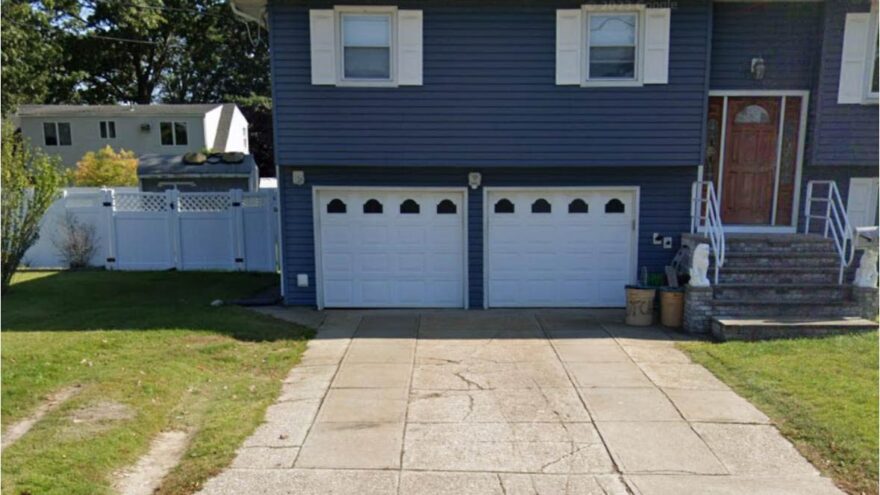
Stamped concrete is one of those upgrades that can make a home look instantly more “finished.” It can mimic stone, slate, brick, or cobblestone while keeping a clean, continuous surface that is easy to shovel and simple to hose down.
But when people search stamped concrete driveway cost Long Island, they usually want a straight answer.
Here it is:
Most cost guides put stamped concrete in a wide range because design, prep, and finishing choices matter a lot. Concrete Network lists stamped concrete pricing bands at about $10 to $14 per square foot (basic), $14 to $20 (mid-range), and $20+ (high-end). HomeAdvisor also notes stained and stamped concrete commonly falls around $10 to $28 per square foot, with simpler one-color designs lower and multi-color finishes higher.
For Long Island, your final number often lands toward the mid-to-upper part of national ranges because labor, site access, and prep work can be the deciding factor.
Below is a clear breakdown of what you are paying for, what add-ons surprise homeowners, and how to get a quote that actually matches the finished driveway you want.
If you want to see local service options for concrete and driveways, Armorproof lists both driveway paving and concrete repairs/paving among their Long Island services
What is stamped concrete (and why it costs more than plain concrete)
Stamped concrete is poured concrete that gets patterned while it is still workable. Color can be added in different ways (integral color, color hardener, stains), then it is typically sealed to enhance the look and protect the surface.
You are not just paying for “concrete.” You are paying for craftsmanship and timing. Stamping is labor-sensitive. The crew has a limited window to stamp, detail, and finish before the concrete sets.
That is why two driveways with the same square footage can have very different price tags.
Stamped concrete driveway cost Long Island: price per square foot
Here are the most useful national pricing benchmarks to guide your budget:
- Concrete Network: “Basic cost: $10 to $14 per square foot” is a common stamped concrete starting band, with mid-range and high-end tiers going higher.
- Angi: stamped concrete projects often range around $9 to $22 per square foot, depending on complexity and labor.
- HomeAdvisor: stained and stamped concrete often runs $10 to $28 per square foot, with basic one-color designs about $8 to $12 and complex finishes up to $28.
A practical Long Island way to use these numbers is to treat them as “starting bands,” then adjust based on your site and design:
- Budget-friendly stamped look (one pattern, one color, simple layout): often aligns with the lower bands.
- Most Long Island driveway projects (pattern + border, two-tone, extra prep): commonly lands in the mid band.
- High-end stamped concrete (custom borders, multi-color, hand accents): can push into the top band and beyond.
What does that cost look like for a typical driveway?
Concrete Network uses a typical 2-car driveway size of 16 ft x 40 ft (640 sq ft) and gives total cost ranges by finish level:
- Basic: $6,400 to $8,960
- Mid-range: $8,960 to $12,800
- High-end: $12,800 and up
That is helpful because it turns “per square foot” into a real budget.
If your driveway is larger (many are), the total goes up fast, but your per-square-foot cost may come down slightly on larger simple layouts because setup costs are spread out.
The real cost drivers that change your quote
This is where most homeowners get surprised. Two stamped driveways can look similar in photos, but the structure underneath and the finishing steps can be very different.
1) Demolition and removal of the old driveway
If you are replacing an existing concrete driveway, removal is often an added cost. Concrete Network notes you can expect about $1.00 per square foot for tear out and removal, plus potential disposal costs.
If you are replacing asphalt, the removal process and disposal can also add cost, especially if there are base issues underneath.
2) Base prep and drainage fixes
Stamped concrete needs a stable base. If your driveway has settling, puddling, or poor pitch, a good contractor may recommend regrading, base rebuild, or drainage adjustments.
This part is not “optional” if you want the finish to last. It is also one of the biggest reasons quotes vary.
3) Thickness and reinforcement
Most residential driveways are commonly poured around 4 inches thick, but heavier use areas (or weak soils) may need thicker pours and reinforcement. Upgrades like rebar or wire mesh increase cost but can reduce cracking risk.
If you park heavier vehicles or have frequent delivery trucks turning in, tell your contractor up front.
4) Pattern complexity and edging
A simple ashlar pattern in one direction is faster than a design with multiple stamp changes, tight corners, curves, and detailed borders.
Borders and picture frames look great, but they add layout time, cuts, and detailing.
5) Color method (and how many colors)
This is a big one.
- One-color, single-release stamping is usually cheaper.
- Two-tone, custom staining, and hand-applied accents add time and materials.
6) Sealer choice and number of coats
Stamped concrete almost always needs sealing. Sealers protect color, reduce water penetration, and help with stain resistance, but they also add a maintenance schedule (more on that below).
Long Island climate: what you should plan for
Stamped concrete can perform well in New York, but you should be realistic about winter. Freeze-thaw cycles and de-icing products are tough on any surface.
Two practical tips that protect your investment:
- Ask about control joints and crack planning. Concrete can crack. The goal is to manage where it cracks, not pretend it will never happen.
- Keep drainage tight. Standing water that freezes on the surface or near edges is a fast path to damage.
Also, installation timing matters. Angi notes climate affects installation timing and curing, and cold weather can lengthen cure time and create risks without proper planning.
Maintenance costs to budget for (so the driveway keeps its “new” look)
Stamped concrete is not high-maintenance, but it is not “zero maintenance” either.
Resealing
Many contractors recommend resealing periodically to protect the finish. Armorproof’s resealing guidance for driveways and patios recommends resealing every 2 to 3 years (or as needed by surface type and exposure).
Your schedule depends on:
- sun exposure
- how often you use de-icing products
- whether you pressure wash
- tire traffic and turning movements
Small crack and joint touch-ups
If minor cracks appear, early repair helps keep water out. The goal is to prevent water intrusion that leads to bigger issues.
How to save money on stamped concrete without “cheapening” the job
If you want the stamped look but want to control cost, here are smart trade-offs:
- Choose one main pattern and keep the layout simple.
- Use one primary color with a subtle release, instead of multi-color hand staining.
- Put your design budget into a clean border rather than adding complexity everywhere.
- Fix drainage and base issues now. Skipping this tends to cost more later.
What to ask your contractor (so quotes are apples-to-apples)
When you request estimates from Long Island contractors, ask for these details in writing:
- Total square footage, and what areas are included (aprons, walkway tie-ins)
- Demolition and disposal included or separate?
- Base depth, base material, and compaction plan
- Concrete thickness and reinforcement details
- Pattern name, border plan, and number of colors
- Sealer type, number of coats, and curing timeline
- Warranty terms and what is excluded (especially cracking)
A good contractor will explain the “why” behind these choices. If a quote is just one line with a total price, it is hard to know what you are actually buying.
Is stamped concrete worth it for Long Island driveways?
Stamped concrete is often worth it if you want:
- a high-end look without paying natural stone prices
- a continuous surface that is easy to shovel
- strong curb appeal with design flexibility
But it may not be your best match if:
- you want the easiest spot repairs (pavers are usually easier to repair section-by-section)
- your driveway has major settling issues and you are not ready to address base and drainage
- you want a surface that hides cracks forever (no concrete can promise that)
If you are comparing finishes, Concrete Network also notes high-end decorative concrete driveways can exceed $20 per square foot depending on complexity, which is why choosing a clean, simple design is often the best value.
Next step: get a quote that matches your driveway, not a generic number
Online “average costs” are helpful for planning, but stamped concrete pricing is project-specific.
If you want a quick way to estimate your own driveway before requesting quotes:
- Measure width x length (in feet) to get square feet
- Decide your finish level (basic, mid-range, high-end)
- Add realistic allowances for demolition, base fixes, and sealing
For Long Island homeowners who want to explore concrete driveway options (including stamped concrete), you can visit: Armorproof